I did it to a lesser extent about
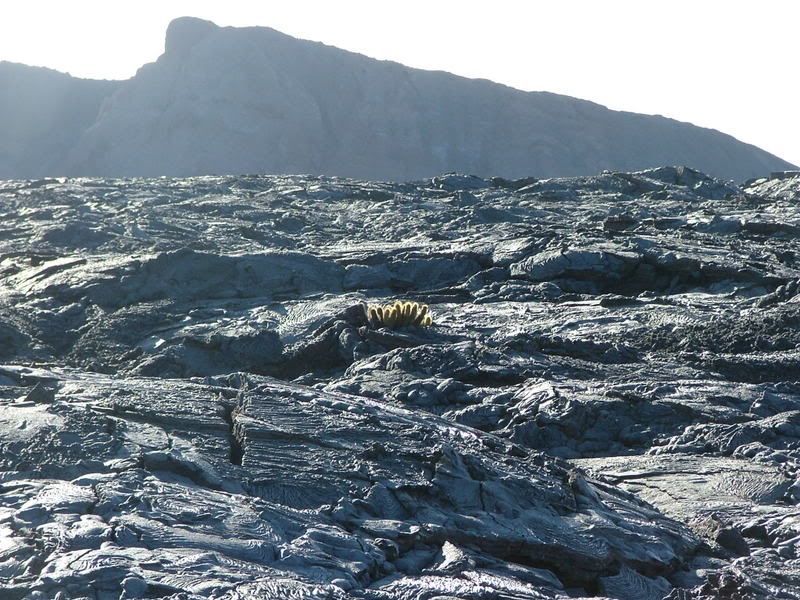
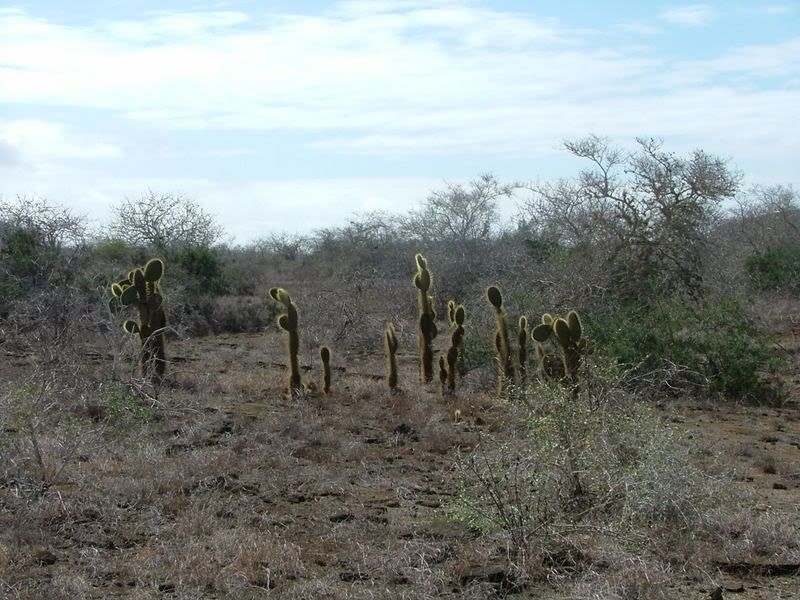
two months ago, but we’re gonna try for another Endangered Ugly Ecosystem. This one is volcanic, reptilian, and arid. There’s only one problem: it’s immensely famous for being an ecological wonderland. Which it is. But it also looks much like this:
 |
| Image by me |
Welcome to the real Galápagos. Yes, the cactus in the picture is listed as vulnerable (lava cactus,
Brachycereus nesioticus). The islands were formed (are forming, really) by volcanic activity, so there’s been no contact with the South American continent, some 600 miles away. This means everything that arrives there must be able to manage at least a 600 mile drift, usually on mats of vegetation blown over from wherever they came. This leads to an over-representation in reptiles, because they’re really good at managing a long time without any food or water. Birds get blown off course in the process of migrating, but they’re not ugly enough for inclusion. Mammals tend to have much too fast a metabolism to let them manage months without food, so the only (non-sea-faring; there are sea lions) mammals on the islands are the ever-present mice, which can survive practically anything. There are also bats, which probably got blown off course like the birds.
What EUTs call the Galápagos home? Well, the
marine iguanas (
Amblyrhynchus cristatus), and
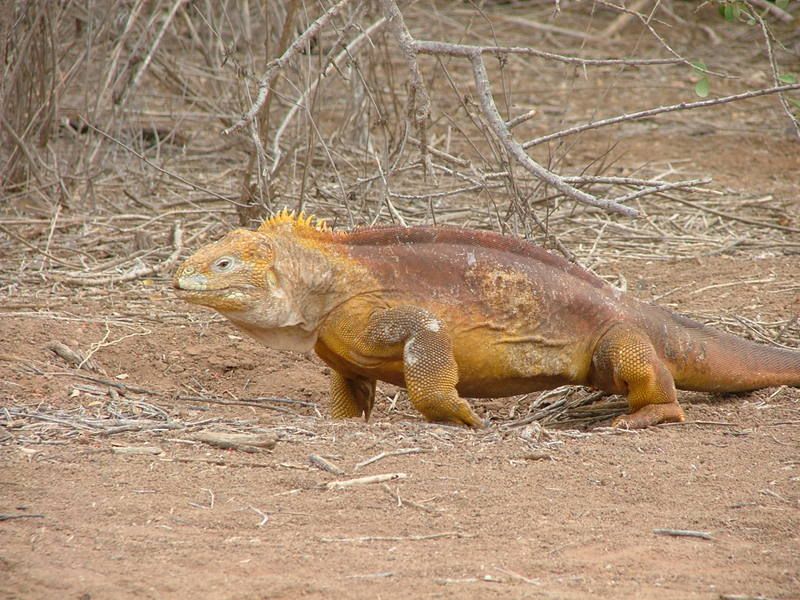
land iguanas (
Conolophus subcristatus and
C. pallidus) certainly fit the bill. The
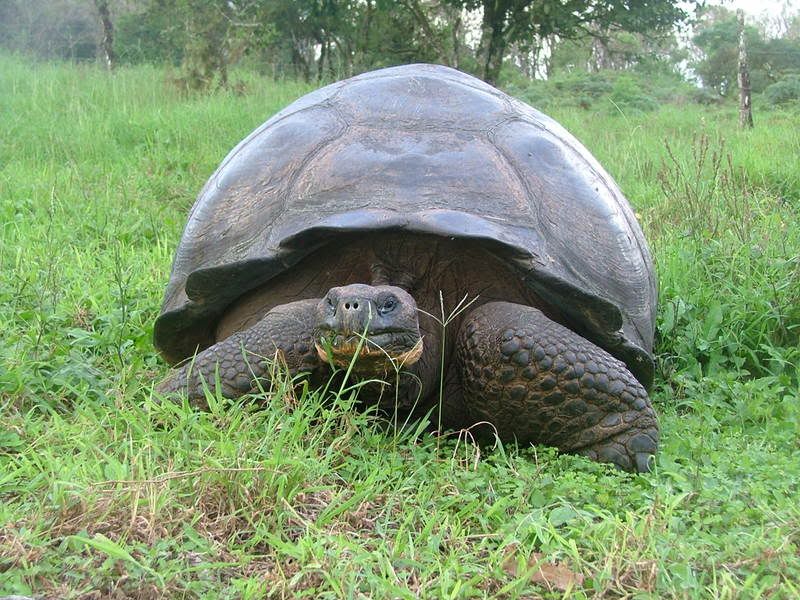
giant tortoises (
Geochelone nigra, with many, many subspecies) may not be ugly enough, but it’s certainly plenty endangered. In my attempt to be more welcoming to all kingdoms
1, there are also the
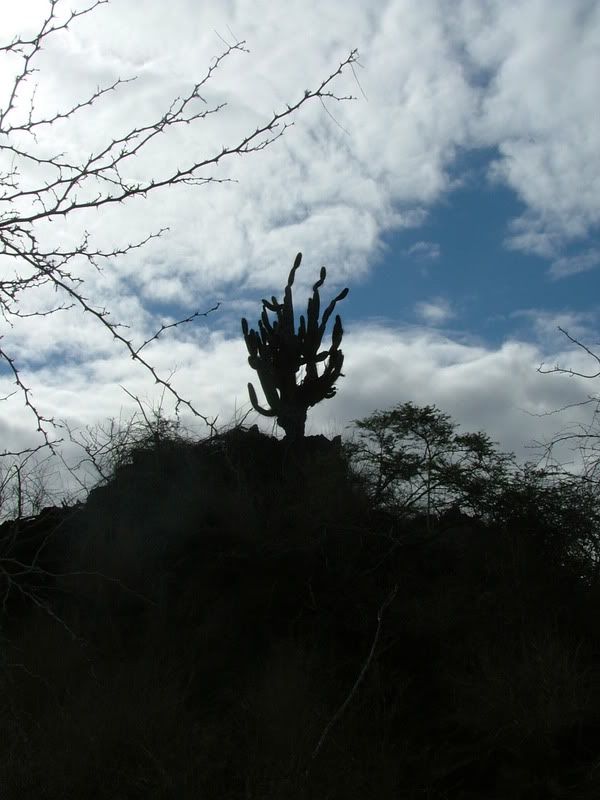
cacti: the lava cactus mentioned earlier, an endemic species of
prickly pear (
Opuntia galapageia, also with a few subspecies), and the
candelabra cactus (
Jasminocereus thouarsii). There are plenty of other endangered things, but most of them are too pretty for me to talk about.
Why are they endangered?
Goats, mostly. They escape farms or get released by sailors
2 and then they run rampant, eating tons of vegetation, leaving none for the tortoises or land iguanas, and stepping on all the reptiles’ nests. Remember the
issues the blue iguanas had with cats and rats and dogs? Well, cats and dogs and (non-endemic) rats have been introduced in the Galápagos, so the iguanas here have the exact same problem. And, since none of them are found anywhere else in the world, the animals there are starting at a disadvantage.
And to top it off, hundreds of people are flocking to the Galápagos each day, walking around, taking pictures, et cetera, et cetera. And what does this do for the islands? Funds the conservation, as one pays for entrance into the
Galápagos National Park and into the
Charles Darwin Research Station. The rules about what the groups are able to do, always with a trained guide, are strict enough that tourists do not adversely affect the wildlife
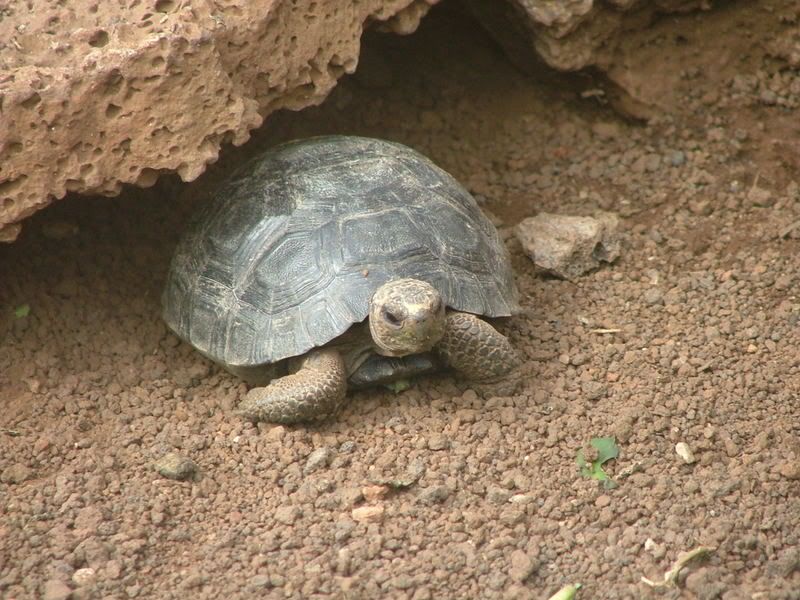
3. What are the conservation efforts doing? There are successful breeding programs for the tortoises
4 and the land iguanas at the Research Station. There is lots of work going into the
goat eradication program, which at times involves people in helicopters with rifles. If any of my readers have had to deal with
invasive species closer to home
5, this will not seem like overkill, and it is certainly getting the job done.
Edit: I've just put up a new
t-shirt design. Enjoy.
1I’m still looking for an endangered bacterium. No luck so far.
2Alright, sailors releasing them were mostly in the 1700s, but it’s taken them until recently to get rid of those.
3Stay on the trail. No touching animals. Do not take sand, shells, bones or any other item from the island. Wash your shoes between islands to prevent mixing sand. Seriously.
4Baby tortoises are much too cute to be discussed here. Oh well.
5For example, have wanted to take a gallon of gasoline and a match to multiflora rose.